Roast level · 8 reviewed

Best Light Roast Cold Brew & Iced Coffee

Light roasts keep the most origin character — bright acidity, florals, tea, and fruit, with a lighter body and (often) a touch more perceived caffeine. Below: the highest-rated light roast cold brew & iced coffee, ranked by our Coffee Score.

A great light roast is a showcase for bean density, elevation, and terroir, with bright structured acidity and floral or fruit-forward clarity. The failure mode is underdevelopment: roasted too fast or dropped too early, the cup turns grassy, vegetal, and sharply sour rather than sweet and articulate.

Every coffee below is graded on our five-point specialty standard — no fluff, no pay-to-play:

  • Taste 40%
  • Freshness 20%
  • Bean Quality & Sourcing 15%
  • Value 15%
  • Roast Quality 10%
Top Light pick
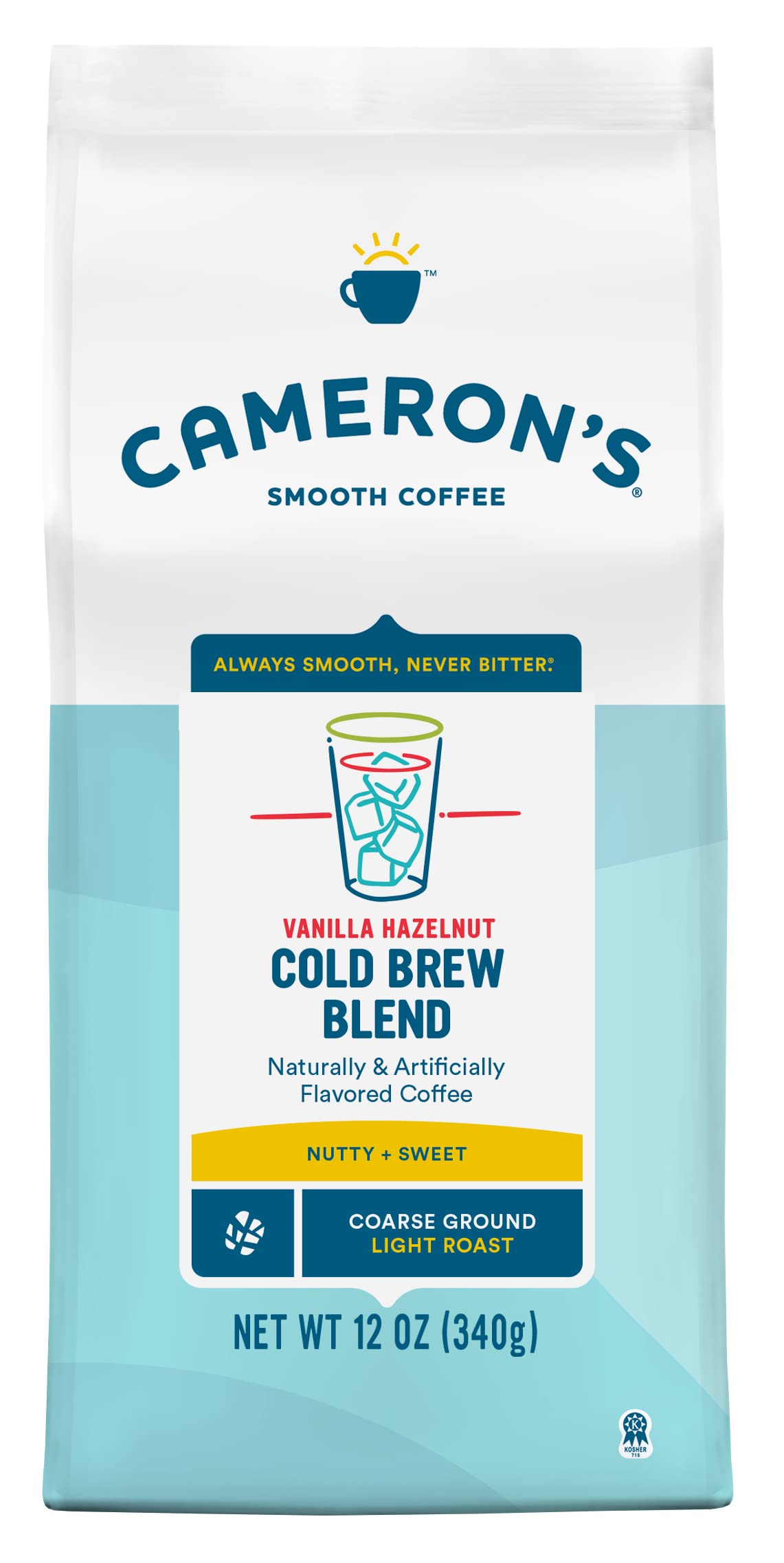
Cameron's Coffee Vanilla Hazelnut Cold Brew Blend Flavored

Cameron'S Coffee

Cameron's Coffee Vanilla Hazelnut Cold Brew Blend Flavored

Ranked #12 of our top 94 iced coffee & cold brew — an outstanding light pick with hazelnut, nutty, vanilla notes, earning a 4.6★ average across 937 Amazon ratings.

Read the review
9.1 /10 Must Drink

All Light roast iced coffee & cold brew (8)

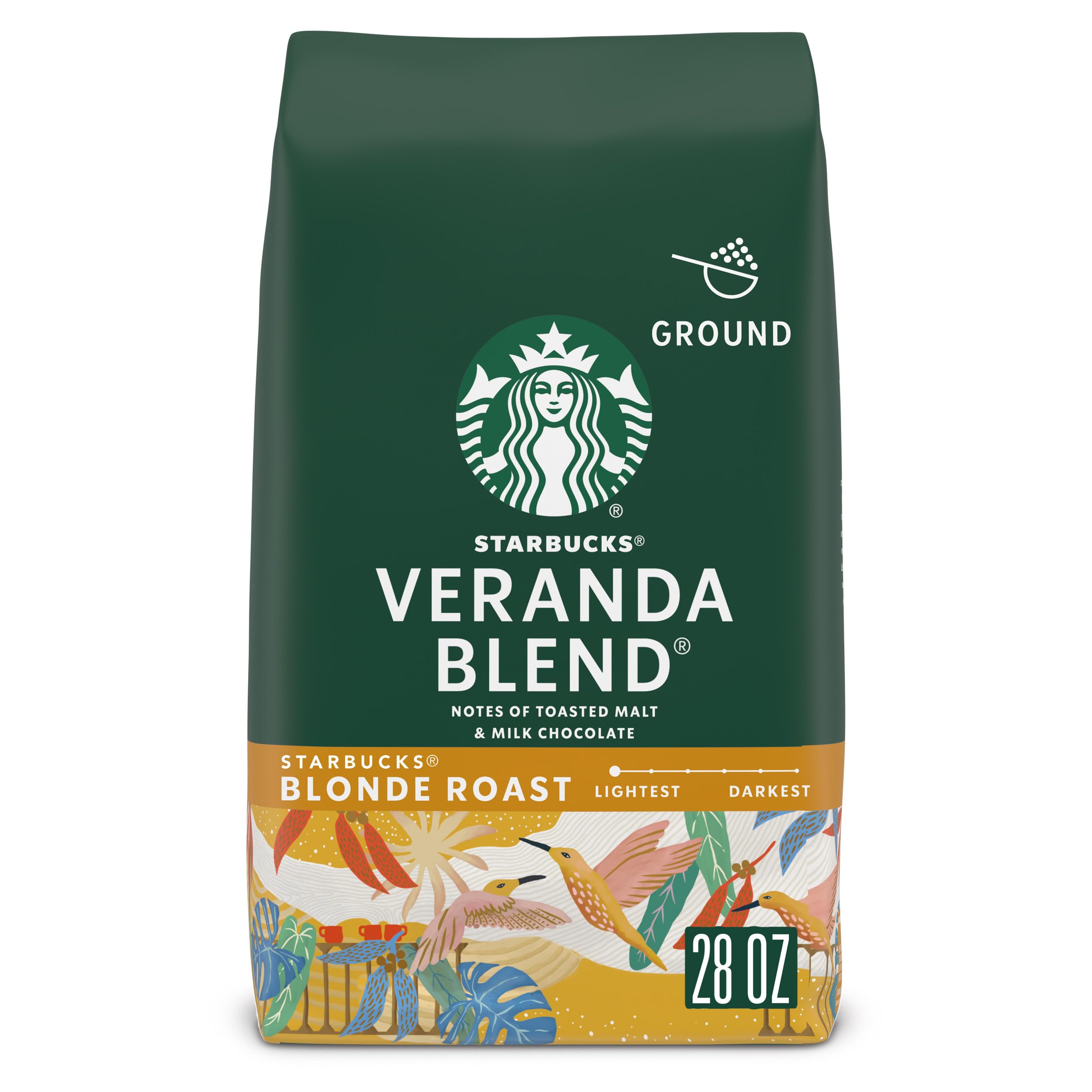
#3 Starbucks Ground Coffee 8.8
Amazon's ChoiceReader Favorite

Starbucks

Starbucks Ground Coffee

Starbucks spent decades working with coffee farmers throughout Latin America.

Milk Chocolate · Chocolate · Smooth · Sweet
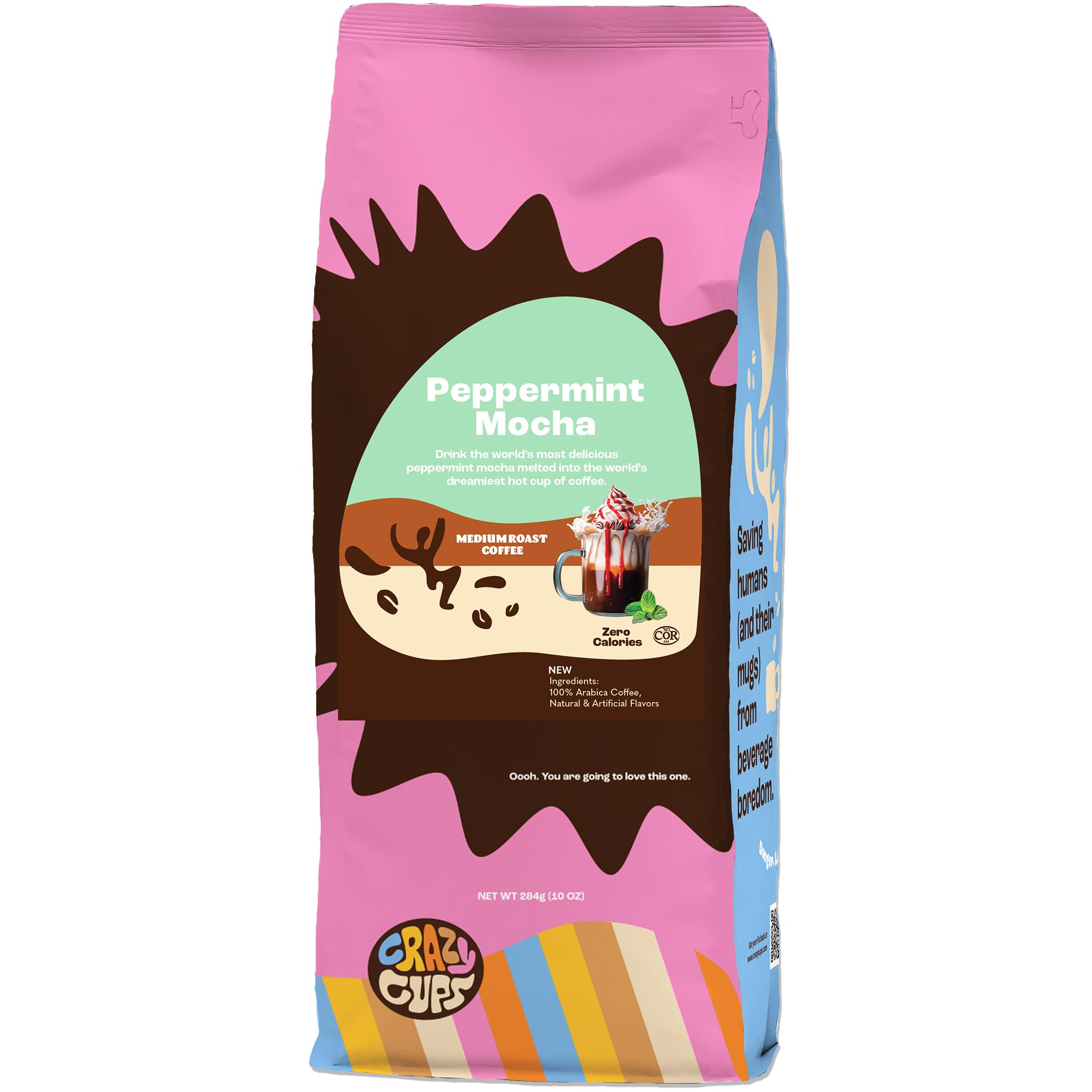
#7 Crazy Cups Flavored Ground Peppermint Coffee 8.3
Amazon's ChoiceGreat Value

Crazy Cups

Crazy Cups Flavored Ground Peppermint Coffee

PEPPERMINT MOCHA MAGIC: Delight in the blissful fusion of rich chocolate and cool peppermint in our Peppermint Mocha coffee. Every sip is a festive treat, turning your coffee breaks into a magical holiday experience.

Chocolate · Bold · Sweet · Rich

Light in other coffee types

How to buy the best Light Roast Cold Brew & Iced Coffee

Bean density, elevation, and acidity

High-grown coffees (often 1,600m and above) are denser and harder, which is why they reward light roasting that preserves their complex acids and aromatics. That same density means they resist extraction, so the roast and the brew both have to work harder to develop sweetness without leaving the cup grassy.

Extraction: hotter water, finer grind

Light roasts are less soluble and less porous, so they need more aggressive extraction than darker coffees. Use water at 205-212F, grind a step finer, and extend the bloom so the bean fully degasses. This pulls the fruit and floral acidity forward and prevents the thin, sour profile of under-extraction.

Third-wave light roast for pour-over and filter

Specialty-grade, fresh-roasted light coffees are built for pour-over and other filter methods, where clarity is the goal. Favor washed-process lots for clean, structured acidity and natural-process lots for heavier fruit, and always grind immediately before brewing.

Cold extraction chemistry and concentrates

Cold and iced formats lean on low-temperature or flash-chilled extraction to keep acidity and bitterness in check while preserving body. Concentrates are designed to be diluted, so judge them by how balanced they taste once water or milk and ice are added, not straight from the bottle.

Light coffee — FAQ

What water temperature should I use for light roast?

Near-boiling, about 205-212F (96-100C). Dense, less-soluble light roasts need the extra energy to extract their complex acids; cooler water leaves the cup sour and underdeveloped.

Why does my light roast taste sour or grassy?

Almost always under-extraction or genuine underdevelopment. Grind finer, brew hotter, and extend contact time. If it persists across methods, the beans were likely roasted too lightly.

Does light roast have more caffeine than dark?

By weight, marginally, since dark roasting burns off a little mass. The practical difference per cup is negligible and dominated by dose and ratio.

What is the best brew method for light roast?

Pour-over and other filter methods. They emphasize the clarity, acidity, and aromatics that define a well-made light roast.

Should I dilute cold brew concentrate?

Yes. Most concentrates are brewed strong (around a 1:8 ratio) and meant to be cut with water or milk over ice to taste, commonly 1:1.

See all Iced Coffee & Cold Brew  ·  How we score & rank coffee