Roast level · 5 reviewed

Best Light Roast Ready-to-Drink Coffee

Light roasts keep the most origin character — bright acidity, florals, tea, and fruit, with a lighter body and (often) a touch more perceived caffeine. Below: the highest-rated light roast ready-to-drink coffee, ranked by our Coffee Score.

A great light roast is a showcase for bean density, elevation, and terroir, with bright structured acidity and floral or fruit-forward clarity. The failure mode is underdevelopment: roasted too fast or dropped too early, the cup turns grassy, vegetal, and sharply sour rather than sweet and articulate.

Every coffee below is graded on our five-point specialty standard — no fluff, no pay-to-play:

  • Taste 40%
  • Freshness 20%
  • Bean Quality & Sourcing 15%
  • Value 15%
  • Roast Quality 10%
Top Light pick
Califia Farms

Califia Farms

Califia Farms

Ranked #8 of our top 109 ready-to-drink coffee — an outstanding light pick with berry, brown sugar, bold notes, earning a 4.6★ average across 884 Amazon ratings.

Read the review
9.1 /10 Must Drink

All Light roast ready-to-drink coffee (5)

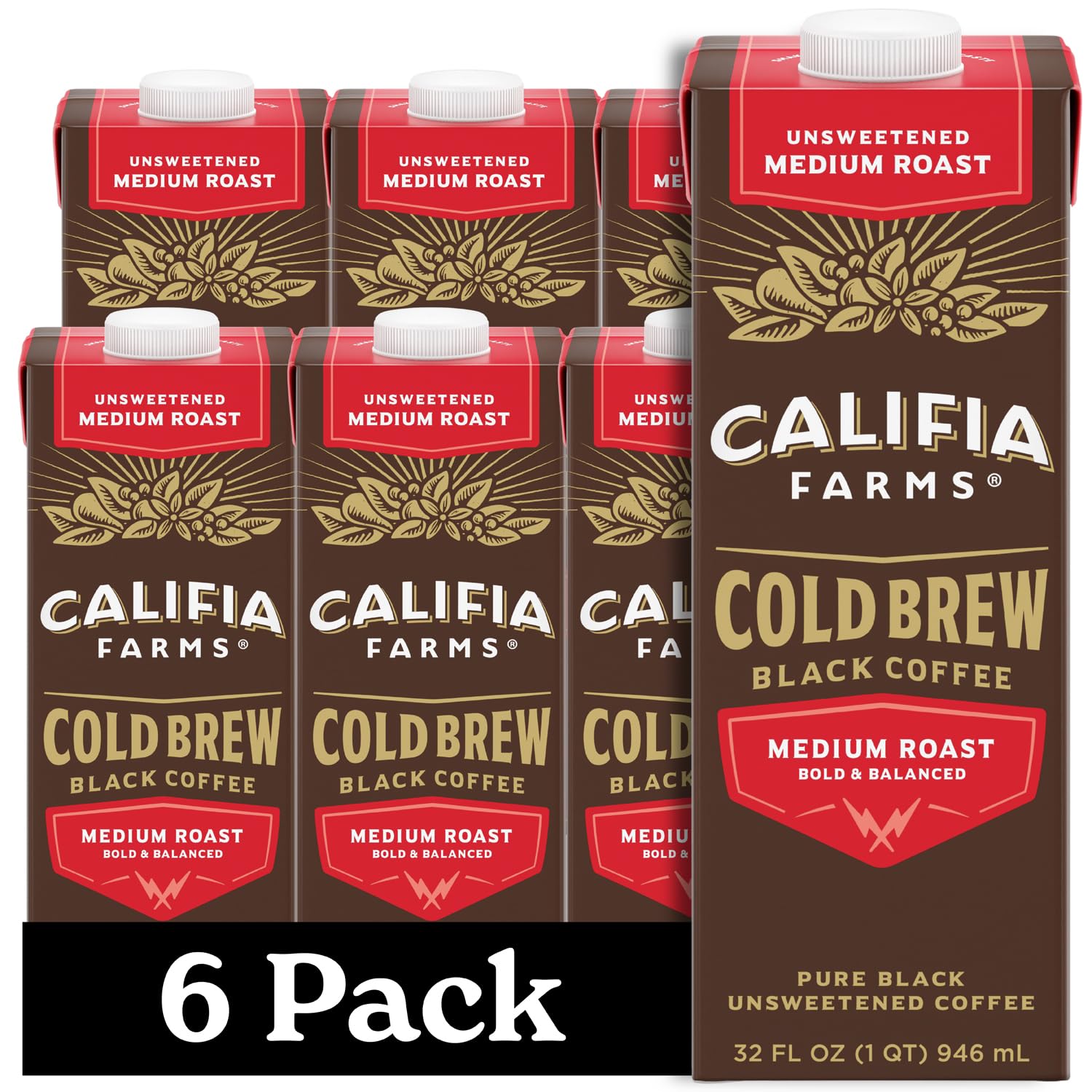
#1 Califia Farms 9.1
Great Value

Califia Farms

Califia Farms

A smooth, pure black and unsweetened cold brew with a distinctly balanced flavor profile. Made with 100% arabica coffee beans, it features luscious notes of blackberry, brown sugar, and cacao.
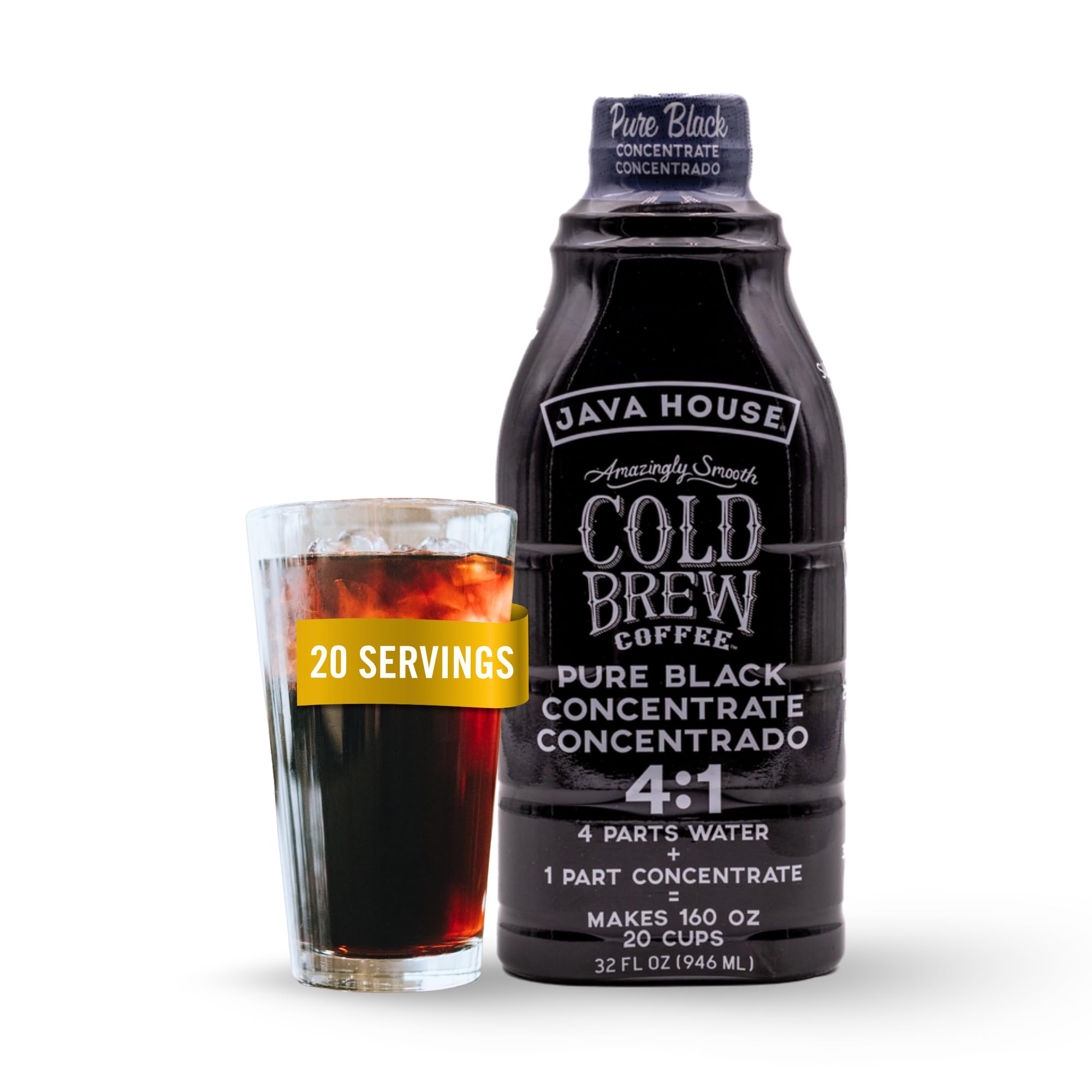
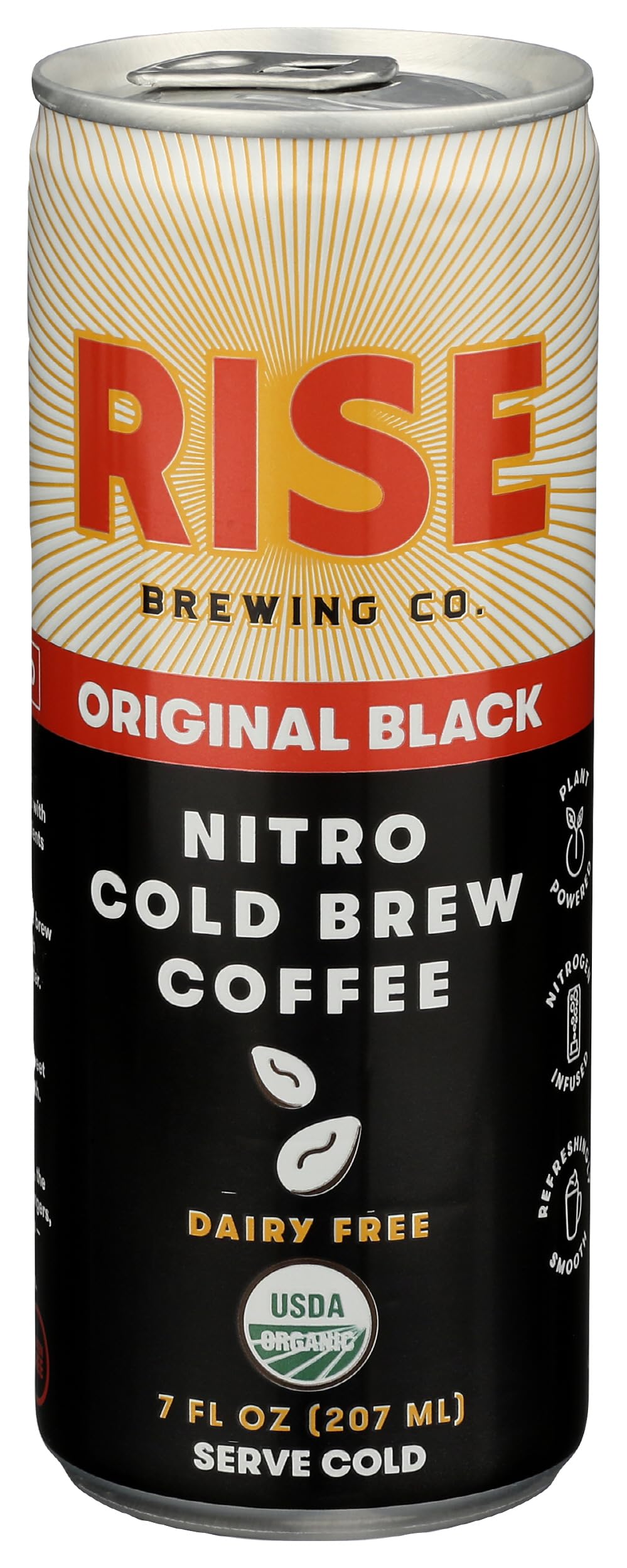
Berry · Brown Sugar · Bold · Smooth
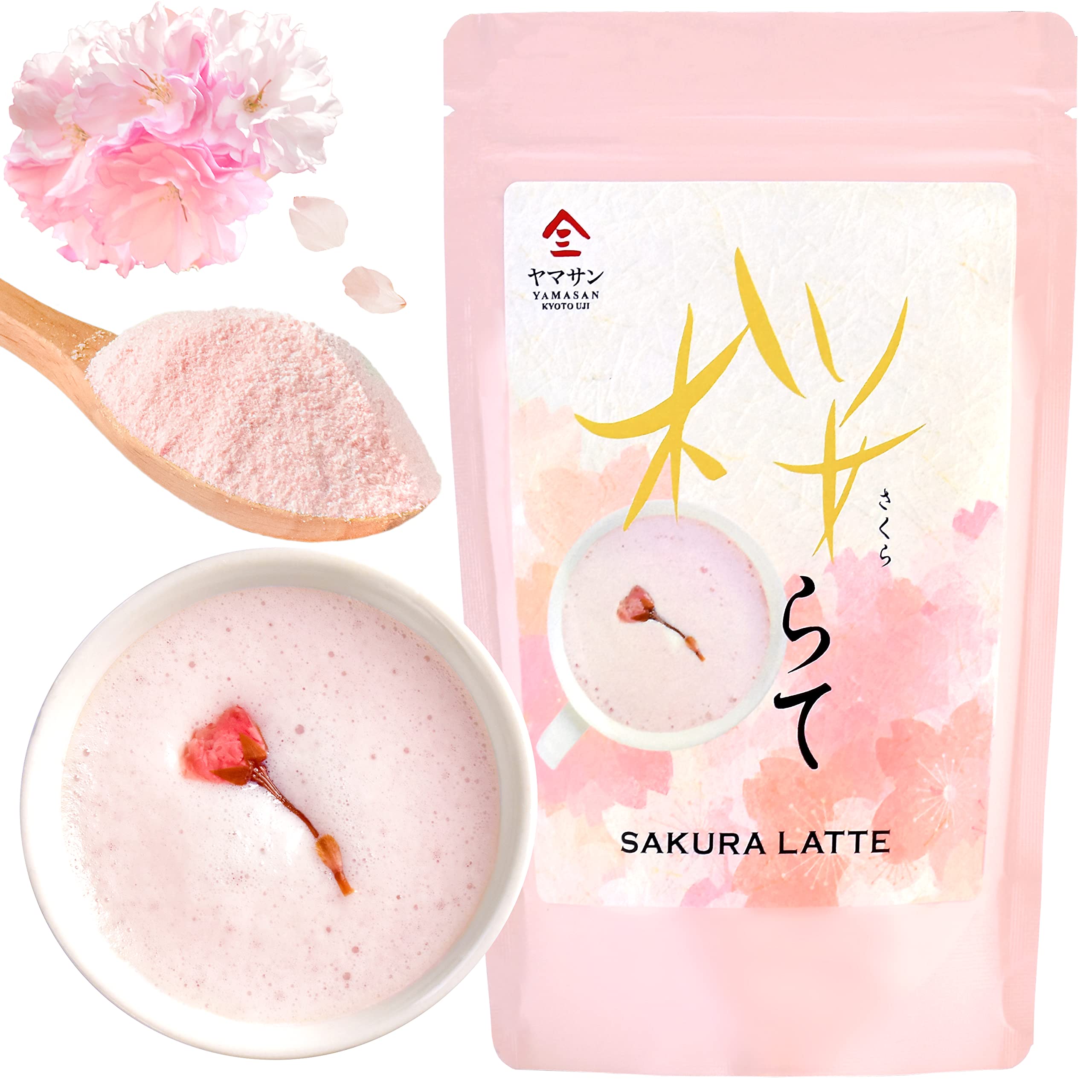
#4 YAMASAN KYOTO UJI Sakura Latte Powder 7.5
Amazon's ChoiceGreat Value

Yamasan Kyoto Uji

YAMASAN KYOTO UJI Sakura Latte Powder

CHERISHED JAPANESE SAKURA – A SYMBOL OF SPRING IN JAPAN - Sakura, more commonly known as cherry blossoms, have been cherished by the Japanese people for centuries and are considered one of Japan’s most iconic symbols.

Cherry · Floral · Smooth · Sweet
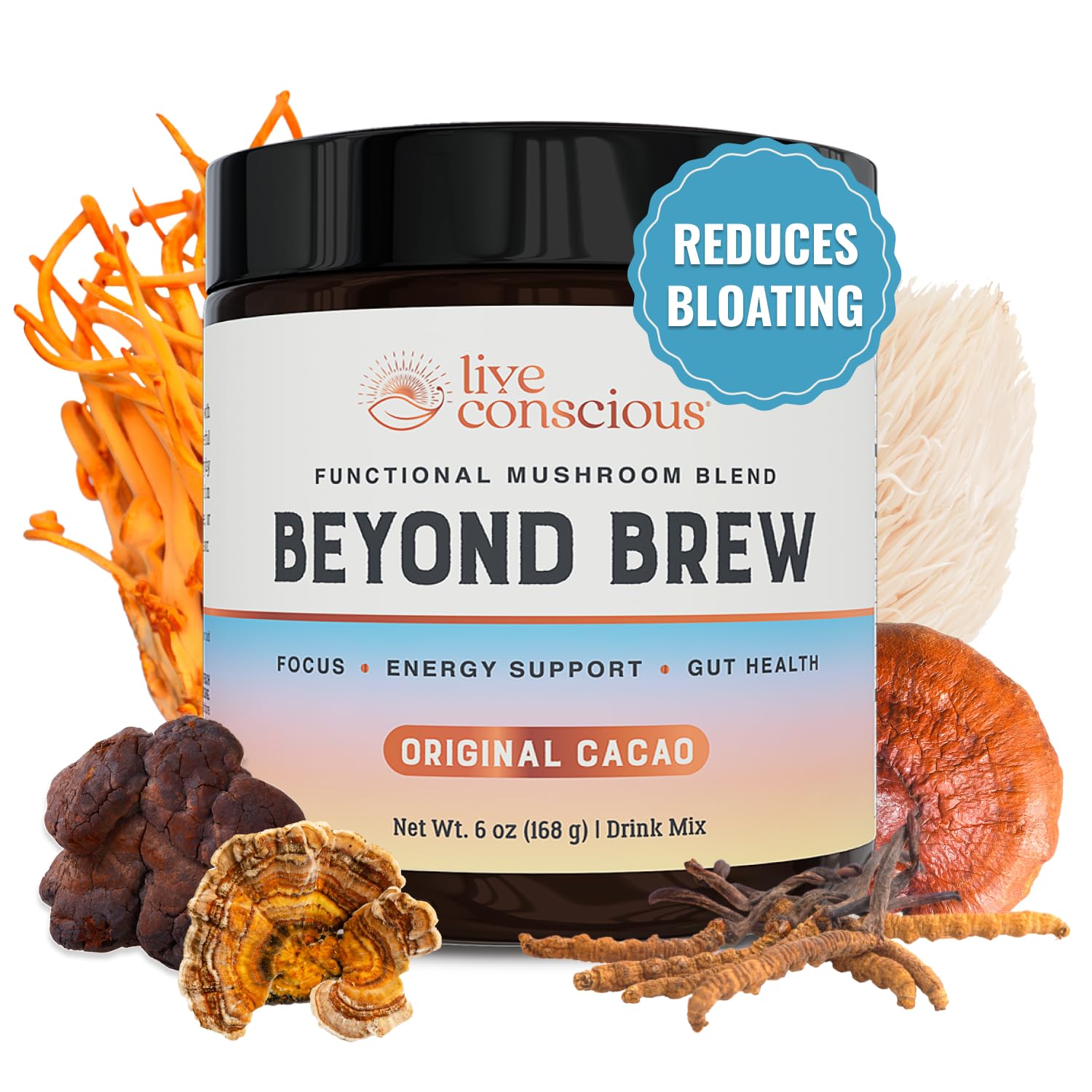
#5 Live Conscious Beyond Brew 7.3
Amazon's ChoiceGreat Value

Live Conscious

Live Conscious Beyond Brew

BOLD & RICH FLAVOR - Get ready to savor a delicious blend of cacao, cinnamon, and ginger in this unique and powerful coffee alternative or complement.

Cinnamon · Bold · Rich

Light in other coffee types

How to buy the best Light Roast Ready-to-Drink Coffee

Bean density, elevation, and acidity

High-grown coffees (often 1,600m and above) are denser and harder, which is why they reward light roasting that preserves their complex acids and aromatics. That same density means they resist extraction, so the roast and the brew both have to work harder to develop sweetness without leaving the cup grassy.

Extraction: hotter water, finer grind

Light roasts are less soluble and less porous, so they need more aggressive extraction than darker coffees. Use water at 205-212F, grind a step finer, and extend the bloom so the bean fully degasses. This pulls the fruit and floral acidity forward and prevents the thin, sour profile of under-extraction.

Third-wave light roast for pour-over and filter

Specialty-grade, fresh-roasted light coffees are built for pour-over and other filter methods, where clarity is the goal. Favor washed-process lots for clean, structured acidity and natural-process lots for heavier fruit, and always grind immediately before brewing.

Shelf stability versus flavor

Ready-to-drink coffee is engineered for stability on a shelf or in a fridge, which constrains how much delicate aromatic character survives. The strongest products balance that reality with real coffee flavor and restrained sweetness. Judge them on clarity and balance rather than added-sugar intensity, and keep them cold.

Light coffee — FAQ

What water temperature should I use for light roast?

Near-boiling, about 205-212F (96-100C). Dense, less-soluble light roasts need the extra energy to extract their complex acids; cooler water leaves the cup sour and underdeveloped.

Why does my light roast taste sour or grassy?

Almost always under-extraction or genuine underdevelopment. Grind finer, brew hotter, and extend contact time. If it persists across methods, the beans were likely roasted too lightly.

Does light roast have more caffeine than dark?

By weight, marginally, since dark roasting burns off a little mass. The practical difference per cup is negligible and dominated by dose and ratio.

What is the best brew method for light roast?

Pour-over and other filter methods. They emphasize the clarity, acidity, and aromatics that define a well-made light roast.

Does ready-to-drink coffee need refrigeration?

It depends on the product. Refrigerated cold brews must stay cold; shelf-stable canned and boxed coffees do not until opened, then should be refrigerated and consumed quickly.

See all Ready-to-Drink Coffee  ·  How we score & rank coffee